Are Whole Home Batteries Replacing Generators Across Ontario?
Dan Hunter
May 11, 2026

Power outages are becoming more common across Ontario. Between ice storms, summer heat waves, aging electrical infrastructure, and growing electricity demand, homeowners are searching for reliable backup power solutions that are cleaner, quieter, smarter, and more cost-effective.
For decades, backup generators were considered the standard solution for emergency home power. But technology has changed rapidly.
In 2026, whole home backup battery systems are becoming one of the fastest-growing clean energy upgrades for Canadian homes. Thanks to major improvements in AC-coupled battery technology, falling battery prices, smarter energy management software, and larger battery capacities, many homeowners are now choosing battery backup systems over traditional propane or natural gas generators.
At Solr Solvr https://www.solrsolvr.com, we help Ontario homeowners design smart, scalable, and cost-effective backup energy systems that reduce grid dependence while maximizing energy savings.
Why Homeowners Are Reconsidering Traditional Backup Generators
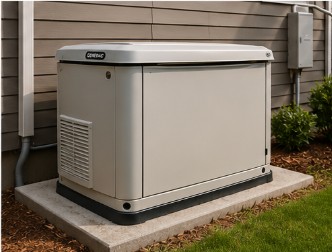
For years, standby generators offered peace of mind during outages. The "home genny" was a mainstay for rural, sub-urban or cottage home back up. But many homeowners are discovering the downsides of relying on combustion-powered backup systems.
Common Problems with Backup Generators
1. Fuel Costs Continue to Rise
Natural gas and propane generators rely on fossil fuels to operate. During extended outages, fuel consumption can become expensive — especially for whole-home systems running continuously for multiple days.
A large standby generator can consume:
· 2–4 cubic metres of natural gas per hour
· 2–5 litres of propane per hour depending on load
As energy prices fluctuate, the operating costs of generators continue to climb.
2. Noise Pollution
Most standby generators operate between 65–85 decibels, similar to an electric leaf blower or lawnmower -- only its constant during a power outage.
That means:
· Constant motor running noise during outages
· Noise complaints in tighter neighbourhoods
· Disruption during nighttime operation
· Reduced outdoor comfort
In contrast, battery systems operate nearly silently.
3. Dangerous Carbon Monoxide Risks
Generators produce exhaust fumes that contain carbon monoxide.
Improper installation or poor ventilation can create serious safety hazards for families and neighbours. Every year, emergency services respond to carbon monoxide poisoning incidents tied to portable and standby generators.
Battery backup systems produce:
· No fumes
· No combustion
· No exhaust gases
· No carbon monoxide
4. Ongoing Maintenance Requirements
Generators contain moving engine components that require regular servicing.
Typical generator maintenance includes:
· Oil changes
· Spark plug replacement
· Fuel system maintenance
· Battery checks
· Air filter replacement
· Winter preparation
· Periodic test runs
If generators sit unused for extended periods, mechanical issues can develop.
Battery systems require dramatically less maintenance.
5. Winter Reliability Concerns
Ontario winters introduce additional challenges:
· Snow buildup around generators
· Ice accumulation
· Blocked ventilation
· Difficult access for maintenance
· Fuel delivery concerns during storms
Modern battery systems eliminate many of these concerns entirely.

Why Whole Home Backup Batteries Are Rapidly Growing in Popularity
Battery technology has improved dramatically over the past several years.
What was once considered expensive, limited, or experimental has now become practical and mainstream.
Modern whole home battery systems now offer:
· Large energy storage capacity
· Whole-home backup capability
· Intelligent energy management
· Solar integration
· Time-of-use optimization
· Near-silent operation
· Low maintenance
· Flexible installation options
The result is a cleaner and smarter backup solution that can also reduce monthly hydro bills.
Major Battery Technology Improvements in 2025 and 2026
1. AC-Coupled Battery Systems Are More Flexible Than Ever
You've probably heard about the Tesla Powerwall 2, but there are so many other brands that provide even better value and technology-Like FranklinWH, Renon and LG. Like most renovations, the right solution for you comes down to your needs, future plan and budget.
One of the biggest advancements is the rapid growth of AC-coupled battery systems.
AC-coupled batteries allow homeowners to add battery storage to:
· Existing solar systems--but its not necessary to have solar!
· Homes without solar, back up power to your electric panel
· Future solar-ready homes
· Hybrid energy systems
This flexibility is making battery adoption far easier for homeowners who already have solar installed.
Modern inverter technology now allows:
· Faster response during outages
· Smarter load management
· Improved efficiency
· Better appliance compatibility
· Seamless backup transitions
Many homeowners experience little to no interruption during power outages.
2. Battery Costs Have Dropped Significantly
Battery prices have become far more competitive over the past six months.
Several factors are driving the cost reductions:
· Increased global manufacturing
· Better battery chemistry
· Improved supply chains
· Larger market competition
· Expanded North American inventory
As more brands enter the Canadian market, homeowners now have more affordable choices than ever before.
This is helping whole home batteries move from a luxury upgrade to a practical energy investment.
3. Larger Capacity Batteries Are Now Common
Earlier residential battery systems often provided only limited backup for essential loads.
Today, many systems now exceed:
· 15 kWh
· 20 kWh
· 30+ kWh expandable systems
These larger systems can power your whole home, and at a minimum your critical load needed in a power outage over multiple days:
· Refrigerators
· Freezers
· Sump pumps
· Internet and communications
· Lighting
· Heating systems
· Air conditioning
· Well pumps
· Electric vehicle charging
· Entire homes depending on usage
Smart Energy Programming Is Changing the Economics of Home Batteries
One of the biggest advantages of modern battery systems is intelligent energy management.
Unlike generators, batteries can work every single day — not just during outages.
Using Ultra-Low Overnight (ULO) Electricity Rates in Ontario
Ontario’s Ultra-Low Overnight electricity pricing creates major opportunities for homeowners. You may have heard of some industry terms like "peak shaving" or "energy arbitrage." They both mean the same thing: Pulling from battery storage to supply power when electricity costs are high, and tiling them when electricity costs are low (or free, in the case of solar).
Smart battery systems can:
· Automatically charge during ultra-low overnight electricity rates
· Store inexpensive energy
· Supply the home during peak time-of-use periods
· Reduce electricity costs year-round
This strategy allows homeowners to:
· Lower monthly hydro bills
· Reduce electricity consumption during peak rate times
· Increase energy independence
· Improve return on investment
Generators cannot provide this type of daily economic benefit.

Solar + Battery Storage: The Ultimate Clean Energy Combination
When paired with solar panels, whole home batteries become even more valuable.
Solar energy generated during the day can:
· Power the home directly
· Charge the batteries
· Offset expensive utility rates
· Provide backup during outages
This creates a resilient clean energy ecosystem.
During extended outages, solar panels can continue recharging batteries during daylight hours, dramatically extending backup capability.
For many Ontario homeowners, this creates:
· Greater energy security
· Lower long-term energy costs
· Reduced reliance on fossil fuels
· Cleaner emergency backup
· Improved property value
Learn more about battery storage and clean energy solutions at Solr Solvr Battery Solutions https://www.solrsolvr.com/battery
Outdoor Installation Improvements Make Batteries More Practical
Another major advancement is environmental durability.
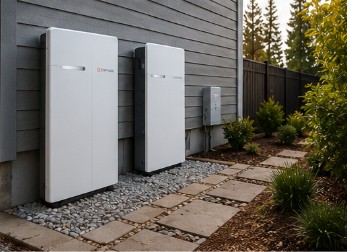
Modern battery systems are now:
· Self-heated
· Weather-resistant
· Built for Canadian winters
· Rated for outdoor installation
· Compact and visually cleaner
Many systems can now be safely installed:
· Outside the home
· Inside garages
· Alongside utility equipment
· Away from snow accumulation zones
This creates more flexibility while reducing exposure to the elements.
Unlike generators, battery systems do not require:
· Exhaust clearance
· Fuel storage access
· Ventilation spacing
· Snow clearing for air intake
Noise-Free Backup Power Improves Comfort
One of the most noticeable differences homeowners experience after switching to battery backup is silence.
Battery systems are nearly silent.
There is:
· No engine noise
· No vibration
· No startup roar
· No constant humming
· No fuel combustion sound
This is especially valuable during nighttime outages or in dense residential communities.
Families can sleep comfortably while critical systems continue operating.
Family comfortably inside a modern home during a nighttime power outage powered silently by battery backup
Family comfortably inside a modern home during a nighttime power outage powered silently by battery backup
Battery Backup Systems Require Less Maintenance
Because batteries contain very few moving components, maintenance requirements are dramatically reduced.
Most systems only require:
· Software monitoring
· Occasional inspection
· Firmware updates
· Electrical safety checks
There are:
· No oil changes
· No fuel stabilizers
· No engine servicing
· No spark plugs
· No exhaust systems
This simplicity appeals to homeowners looking for long-term reliability.
Comparing Whole Home Batteries vs Generators

More Brands Means More Consumer Choice
The battery market is evolving rapidly.
Homeowners now have access to multiple trusted battery manufacturers offering:
· Modular systems
· AC-coupled solutions
· Hybrid inverters
· Smart monitoring apps
· Whole-home integration
· EV compatibility
This increased competition is helping:
· Improve product quality
· Reduce pricing
· Expand installer support
· Increase technology innovation
At urlSolr Solvr Contact Ushttps://www.solrsolvr.com/contact-us, we help homeowners compare battery solutions based on:
· Home size
· Energy usage
· Backup goals
· Budget
· Solar compatibility
· Future expansion plans
Whole Home Batteries Support Energy Independence
More homeowners want control over rising energy costs and increasing grid instability.
Battery systems help households:
· Reduce dependence on utilities
· Improve resilience during outages
· Manage energy intelligently
· Support cleaner energy goals
· Prepare for future electrification
As homes adopt:
· Heat pumps
· Electric vehicles
· Smart appliances
· Solar energy
Battery storage becomes increasingly important.
Mobile Battery Options Are Also Growing
Portable battery systems are becoming popular for:
· Cottage owners
· RV users
· Camping
· Mobile work sites
· Emergency preparedness
· Temporary backup power
Modern mobile battery units can:
· Recharge from solar
· Power appliances quietly
· Operate indoors safely
· Replace smaller generators
Explore residential and portable battery solutions here:
urlSolr Solvr Battery Informationhttps://www.solrsolvr.com/battery
Is a Whole Home Battery Right for Your Ontario Home?
A battery backup system may be ideal if you:
· Experience frequent outages
· Want quieter backup power
· Have or plan to install solar panels
· Want to reduce hydro bills
· Want to avoid generator maintenance
· Prefer clean energy solutions
· Want better energy independence
· Are planning future EV charging
· Want protection during severe weather
Every home is different.
The best battery solution depends on:
· Electrical usage
· Critical loads
· Existing solar setup
· Budget
· Home size
· Future energy plans
That is why professional energy planning matters.
Solr Solvr Helps Ontario Homeowners Build Smarter Backup Energy Systems
At urlSolr Solvr Free Quote https://www.solrsolvr.com/free-quote, we help homeowners:
· Compare battery brands
· Evaluate backup needs
· Optimize system sizing
· Integrate solar and batteries
· Reduce installation costs
· Access trusted installers
· Build future-ready energy systems
Our goal is simple:
Smart, Simple Clean Energy Solutions — You Control.
Whether you are exploring battery storage for emergency backup, solar optimization, time-of-use savings, or complete energy independence, our team can help you create a cost-effective strategy tailored to your home.

Final Thoughts: Batteries Are Becoming the Smarter Long-Term Choice
Backup generators still serve a role for some homeowners.
But the rapid advancement of whole home battery systems is changing how Canadians think about backup power.
Today’s battery systems are:
· Smarter
· Cleaner
· Quieter
· More flexible
· More scalable
· Lower maintenance
· Increasingly affordable
Unlike generators, batteries can work every day to reduce electricity costs while also protecting your home during outages.
As Ontario moves toward electrification, smart grids, solar energy, and cleaner infrastructure, battery energy storage is becoming one of the most valuable home energy upgrades available.
To learn more about whole home battery solutions, request a personalized assessment today:
urlRequest a Free Solr Solvr Consultationhttps://www.solrsolvr.com/free-quote#free-quote
Frequently Asked Questions (FAQ)
Can a whole home battery run my entire house?
Yes, depending on the battery size and your energy usage. Larger systems exceeding 15–30 kWh can power many or all home loads during outages.
How long will a home battery last during an outage?
Backup duration depends on battery size and electricity consumption. Many systems can provide several hours to multiple days of backup when combined with solar.
Are home batteries better than generators during winter storms?
In many cases, yes. Batteries avoid fuel supply issues, engine maintenance, snow clearing, and carbon monoxide risks.
Can batteries save money even when there is no outage?
Yes. Smart programming allows batteries to charge during low electricity pricing periods and discharge during expensive peak periods.
Do home batteries work without solar panels?
Absolutely. Batteries can charge directly from the electrical grid and still provide backup power and time-of-use savings.
Are battery systems safe indoors?
Modern lithium battery systems (Lithium Ferrous Phosphate, of LiFePo are best for Canadian climates) are designed with advanced safety protections and can often be installed safely in garages or utility areas by qualified professionals.
How noisy are whole home batteries?
Most battery systems are nearly silent compared to traditional generators.
How much maintenance do battery systems require?
Battery systems require minimal maintenance compared to generators, which need regular engine servicing and fuel system maintenance.
Do I need to have solar to get a back up battery?
No, you can add battery storage without solar panels. The battery will need an inverter, either built-in or separate, to convert the electricty from Direct Current (DC) to Alternate Current (AC) for your home to use.
Can I add batteries to my existing solar system?
Yes. AC-coupled battery systems are specifically designed to integrate with many existing solar installations. There are many choices and improvements in the marketplace now.
How do I know what battery size is right for my home?
A professional energy assessment can evaluate your usage patterns, backup priorities, and future energy plans to recommend the ideal battery capacity.
Ready to Explore Whole Home Battery Backup?
Contact the clean energy experts at Solr Solvr at https://www.solrsolvr.com/contact-us to create a smart, cost-effective backup energy strategy for your home.