

EV Charging in Canada: Level 1 vs Level 2 vs DC Fast: What to Buy in 2026
Kevin Devonish
April 10, 2026

Your practical guide to EV charging athome, at work, and on the road—written by Solr Solvr Canada, a clean energybroker helping Canadians get smart clean energy you control.
EV adoption is accelerating acrossCanada, and so is the need for reliable, cost-effective EV charging.Whether you’re a homeowner installing a Level 2 EV charger, a condoboard evaluating shared charging, or a business planning workplace and fleetcharging, the right setup comes down to three things: charging speed, connectorcompatibility, and your electricity plan.
With more EV models on the road andmore drivers charging at home, EV charging infrastructure in Canada hasbecome a core part of the clean energy transition. Incentives and building electrification targets continue to push demand for residential, condo, andcommercial charging—while new connector standards (like NACS) arechanging how drivers think about future-proofing.
For many Canadians, EVs are also a wayto reduce exposure to fuel price volatility—especially when charging can be optimized with off-peak electricity rates, smart charging controls, andthe right energy plan.
Below, we break down EV charger levels (Level 1, Level 2, and DC fast charging), explain the most common EVcharging connector types (J1772, CCS, NACS, and CHAdeMO), and share what tolook for when comparing popular charger brands.
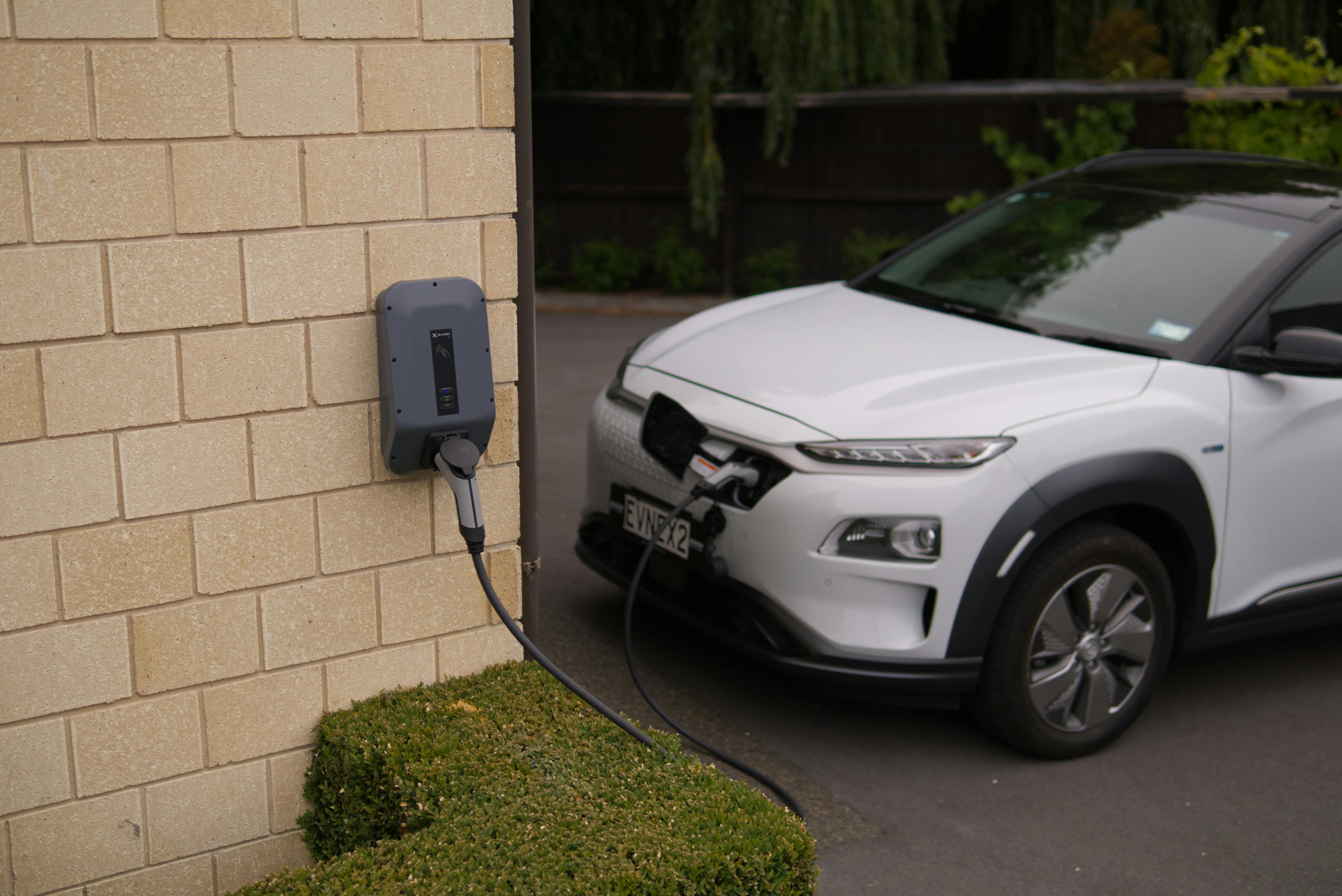
Level 1 EV Charging (120V): Best for light use and backup
A Level 1 EV charger plugs intoa standard 120V household outlet and is often included with yourvehicle. It’s the slowest option—typically adding about 8 km of range perhour—so it’s best for light driving, plug-in hybrids, or as a backup whenyou don’t have access to faster charging. For most daily commuters, Level 1charging can feel limiting, but it’s useful for topping up while the car isparked overnight or during long storage periods.
Level 2 EV Charging (240V): The go-to choice for home, condo, and workplacecharging
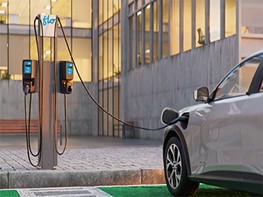
Level 2 EV chargers run on 208–240V power (similar to an electric dryer circuit) and typically deliver 30–50 km of range per hour, depending on the vehicle and charger amperage. This is the most common solution for daily EV charging in Canada—at single-family homes, condos, and work places. Installation usually requires a licensed electrician and either a hardwired orplug-in wall unit. Many sites can install multiple Level 2 chargers (foremployee parking, multi-residential garages, or municipal lots) without thecost and complexity of DC fast charging. Popular options include FLO, ChargePoint, SWTCH, Autel, and Tesla. Most non-Tesla chargers use the J1772 connector, while Tesla uses NACS—and adapters can bridge compatibility.

Level 3 (DC Fast Charging): Rapid charging for highways, fleets, andhigh-turnover sites
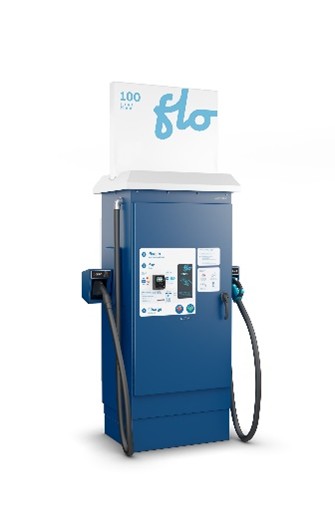
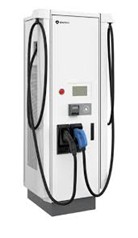
DC fast charging(often called Level 3) is built for speed—ideal for corridor charging,retail sites, and commercial operations where vehicles need to get back on theroad quickly. These systems operate at much higher voltage (often 400V–800V+)and deliver far more power—commonly 45 kW up to 350 kW dependingon the hardware and the vehicle’s acceptance rate. In real-world conditions,many EVs can add a meaningful amount of range in 20–45 minutes(especially between ~20% and 80%), but results vary by model, temperature, andbattery state.
Quick comparison: here’s how Level 1vs Level 2 vs DC fast charging stacks up.

EV Charging Connector Types in Canada: J1772, CCS, NACS, and CHAdeMO
Connector types describe the physical plug your EV uses and the standard that lets the vehicle and charger communicate safely. In Canada and North America, these are the connectors you’ll see most often:
- J1772 (AC charging): The most common plug for Level 1 and Level 2 charging on non-Tesla vehicles.
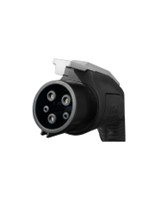
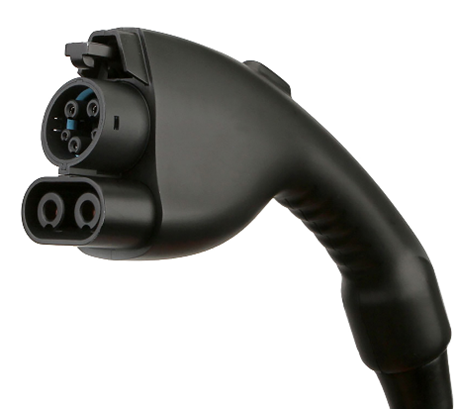
- CCS (Combined Charging System) (DC fast charging): Adds DC pins to a J1772-style top section; widely used for Level 3 / DC fast charging.
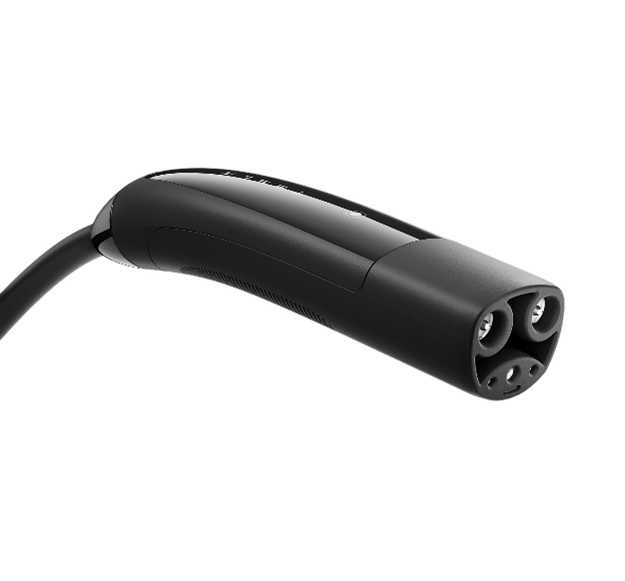
- NACS (North American Charging Standard): Tesla’s connector that is increasingly supported across automakers. Many drivers use adapters for compatibility during the transition.
- CHAdeMO: An older DC fast-charging standard found mostly on some legacy vehicles (for example, earlier Nissan Leaf models). It’s less common today.
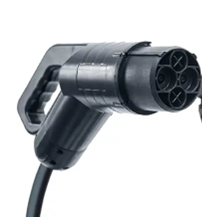
If you’re shopping for a charger or planning infrastructure for a building, the key is to match the connector standard to the vehicles you need to serve today—while keeping an eye on where the market is going (especially as NACS expands). For CHAdeMO, availability and long-term support are more limited, so it’s typically a niche requirement rather than a default choice. Solr Solvr can help you decide on which connector type you need, and which one(s) you may want as alternatives to keep in your trunk https://www.solrsolvr.com/electric-vehicles-ev
Popular EV Charger Brands (Level 2 and DC Fast): What to compare
There are more EV charger brands on the market than ever—serving everything from single-family homes to multi-site commercial rollouts. When comparing Level 2 and DC fast chargers, look beyond the sticker price and evaluate: connector type, power and load management, network/software fees, payment options (for public or semi-public sites), warranty and service coverage, and future scalability. As a clean energy broker, Solr Solvr can help you align charging decisions with smart clean energy you control—including how your electricity supply and pricing strategy impacts long-term operating costs.
Flo level 2 chargers vs level 3 chargers
· ChargePoint level 2 vs level 3 chargers
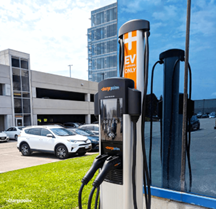
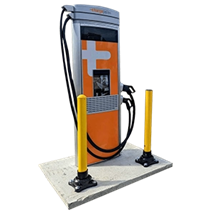
· Tesla Level 2 charger vs level 3 chargers
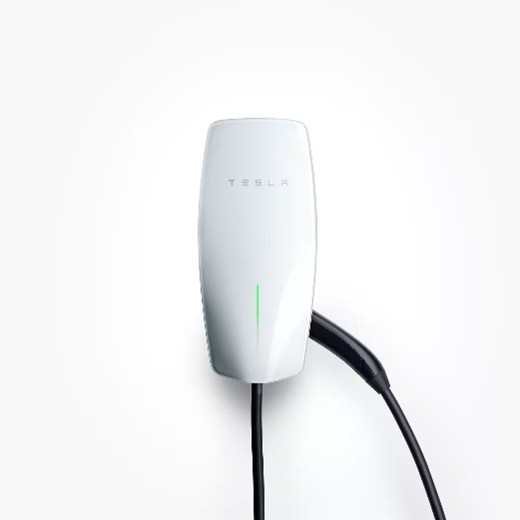
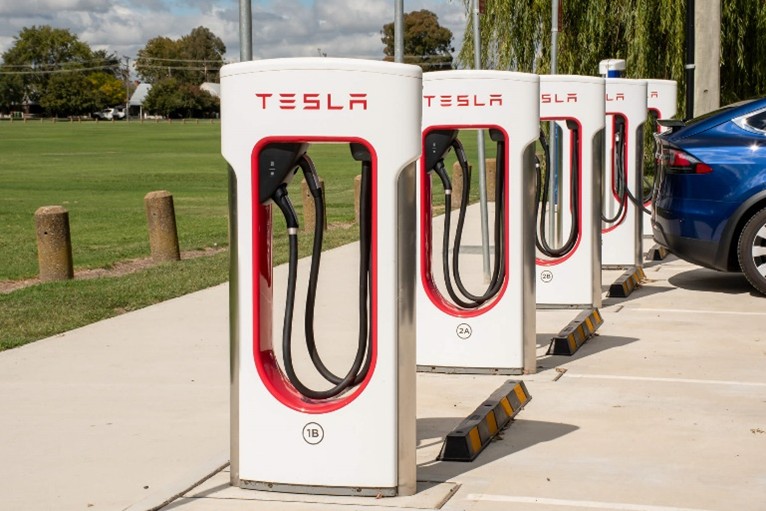
· Autel level 2 chargers vs level 3 chargers
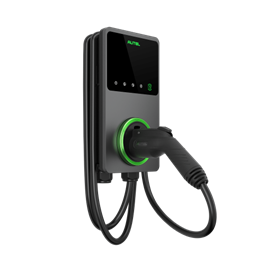
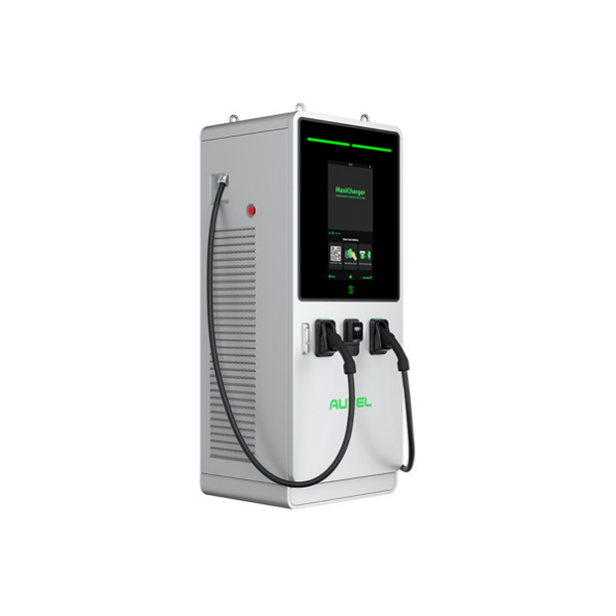
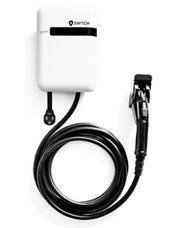
· Swtch level 2 chargers vs level 3 chargers
EV charging doesn’t have to be complicated. Once you understand the differences between Level 1, Level 2, and DC fast charging—and how the differnet connectors J1772, CCS, NACS, and CHAdeMO affect compatibility—you can choose a solution that fits your driving habits, site electrical capacity, and budget.
Need help selecting EV chargers or planning an installation? Solr Solvr, as your clean energy advisor supports homeowners, condos, and businesses as a clean energy broker—so you can pair theright charging hardware with smart clean energy you control. Share your use case (home, condo, workplace, fleet, or public site) and we’ll help you evaluate options for performance, compatibility, and total cost. by reachin gout to Advisor@solrsolvr.com or check outour website here: https://www.solrsolvr.com/electric-vehicles-ev