

Prepaid Solar Lease in Ontario: Is It a Good Option?
September 2, 2026
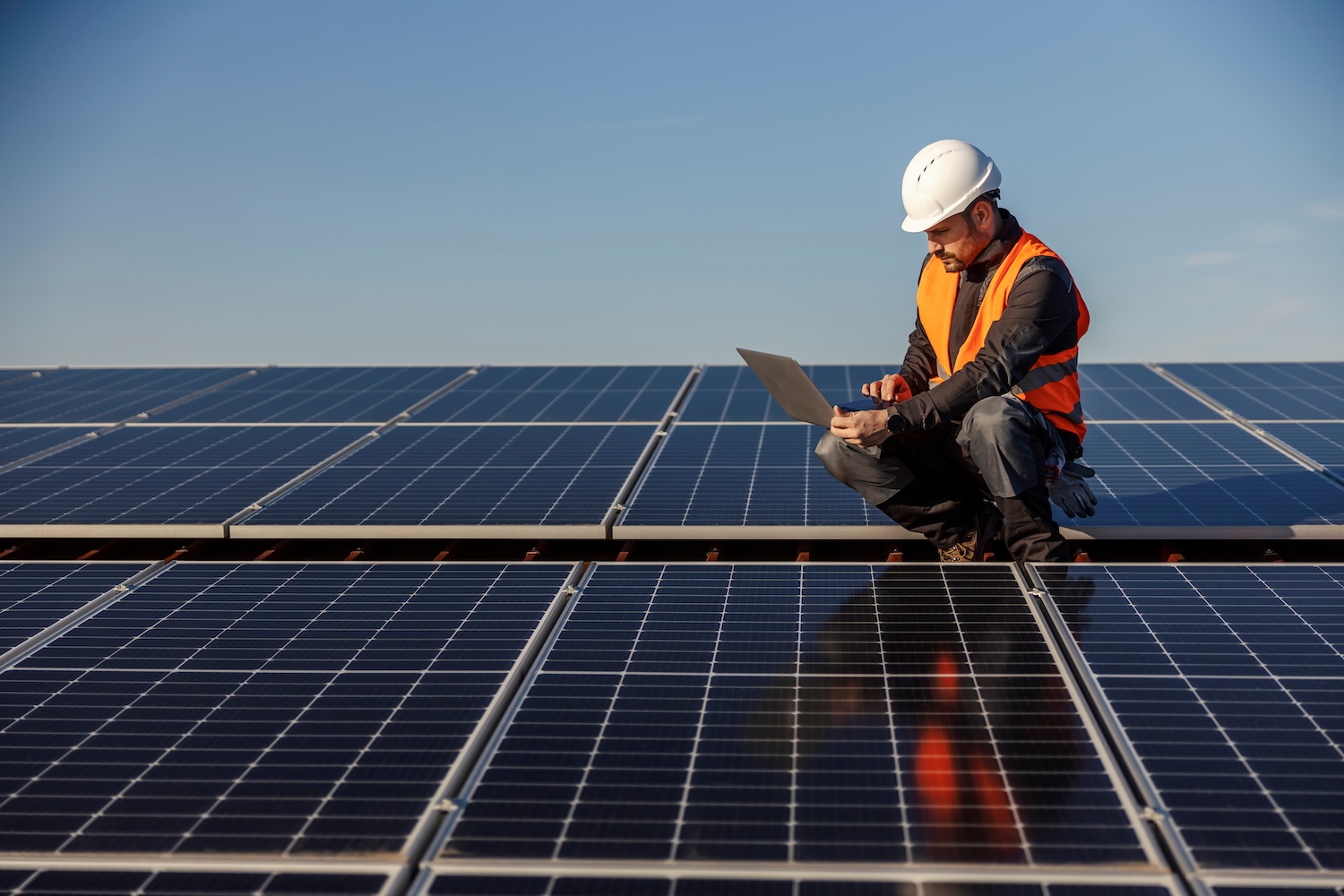
Rising electricity rates in Ontario force homeowners and commercial property managers to seek long-term energy solutions. Financing choices significantly impact overall financial return. Understanding financing options helps property owners select the structure that best fits their budget and goals.
A prepaid solar lease is one financing option available to property owners. Evaluating a prepaid solar lease against direct purchase, standard financing, and Power Purchase Agreements (PPAs) helps homeowners determine whether it is the right strategic choice for their property. Let’s get into it!
What Is a Prepaid Solar Lease?
A prepaid solar lease allows you to pay for the entire lease term upfront in one lump sum. Unlike standard solar leases that charge monthly payments, a prepaid lease eliminates ongoing monthly bills for equipment. A third-party developer retains ownership of the hardware for the agreement duration, usually 20 to 25 years.
The developer handles initial installation, system monitoring, and ongoing maintenance. You secure guaranteed access to the solar power generated by the roof-mounted system without dealing with maintenance logistics.
How It Compares to Other Solar Financing Options
Direct Purchase
Direct cash purchasing gives you immediate, complete ownership of the system.
- You claim all available federal and provincial incentives, tax write-offs, and net metering credits directly.
- The cost of solar panels in Ontario averages between $2.50 and $3.00 per watt before incentives, making total installation costs for residential and small commercial systems range from $13,000 to $40,000+.
- Out-of-pocket costs are highest upfront, but overall lifetime savings are maximized because there are no financing fees or third-party overhead.
Solar Financing (Loans)
Solar loans allow you to own the system over time without paying the full purchase price on day one.
- You secure equipment ownership and claim government incentives.
- Principal and interest payments are made monthly to a lender.
- System maintenance and long-term repair responsibilities fall on you once installer warranties expire.
Power Purchase Agreements (PPAs)
PPAs require zero money down.
- A solar developer installs and owns the system on your building.
- You buy the generated electricity back from the provider at a fixed rate per kilowatt-hour (kWh).
- Monthly expenses fluctuate based on seasonal solar generation levels.
Advantages and Disadvantages of a Prepaid Solar Lease
Advantages
- No Ongoing Monthly Payments: Paying upfront secures locked-in energy production without monthly bills.
- Hassle-Free Maintenance: System ownership stays with the developer, placing monitoring, repairs, and inverter replacements on them.
- Lower Cost Than Standard Leases: Prepaying the lease term reduces interest charges and administrative fees compared to monthly lease structures.
Disadvantages
- Forfeited Tax Incentives: Third-party owners claim government rebates, grants, and tax depreciation write-offs, not you.
- Property Sale Complications: Selling a property with a leased solar system requires buyers to assume the existing contract terms.
- Capital Commitment Without Ownership: You pay a substantial upfront sum without gaining an asset that adds equity directly to your real estate portfolio.
Comparing Solar Financing Options
The following table summarizes key parameters across all four solar acquisition models:
<table>
<thead>
<tr>
<th>Feature</th>
<th>Direct Purchase</th>
<th>Solar Financing (Loan)</th>
<th>Prepaid Lease</th>
<th>Power Purchase Agreement (PPA)</th>
</tr>
</thead>
<tbody>
<tr>
<td><strong>Upfront Cost</strong></td>
<td>High ($2.50–$3.00/watt)</td>
<td>Low to Moderate</td>
<td>Moderate to High</td>
<td>Zero</td>
</tr>
<tr>
<td><strong>System Ownership</strong></td>
<td>Property Owner</td>
<td>Property Owner</td>
<td>Third-Party Developer</td>
<td>Third-Party Developer</td>
</tr>
<tr>
<td><strong>Maintenance & Repairs</strong></td>
<td>Property Owner</td>
<td>Property Owner</td>
<td>Developer</td>
<td>Developer</td>
</tr>
<tr>
<td><strong>Incentives & Tax Rebates</strong></td>
<td>Retained by Owner</td>
<td>Retained by Owner</td>
<td>Retained by Developer</td>
<td>Retained by Developer</td>
</tr>
<tr>
<td><strong>Long-Term Savings Potential</strong></td>
<td>Highest</td>
<td>High</td>
<td>Moderate</td>
<td>Low to Moderate</td>
</tr>
<tr>
<td><strong>Monthly Equipment Payment</strong></td>
<td>$0</td>
<td>Fixed Monthly Installment</td>
<td>$0</td>
<td>Variable (based on kWh)</td>
</tr>
</tbody>
</table>Is a Prepaid Solar Lease Right for You?
A prepaid solar lease works best for property owners who want hands-off solar production with operational coverage, possess available capital, and do not prioritize claiming government tax credits. Direct purchasing or solar financing can yield greater financial returns and higher total savings over time for property owners seeking to maximize asset value and ownership.
Solr Solvr simplifies your shift to clean energy. We assess your property’s energy needs, design custom system layouts, and connect you with top-tier local installer experts. Our platform allows you to compare qualified installer quotes, financial terms, and equipment warranties side-by-side, giving you full control over your energy future.